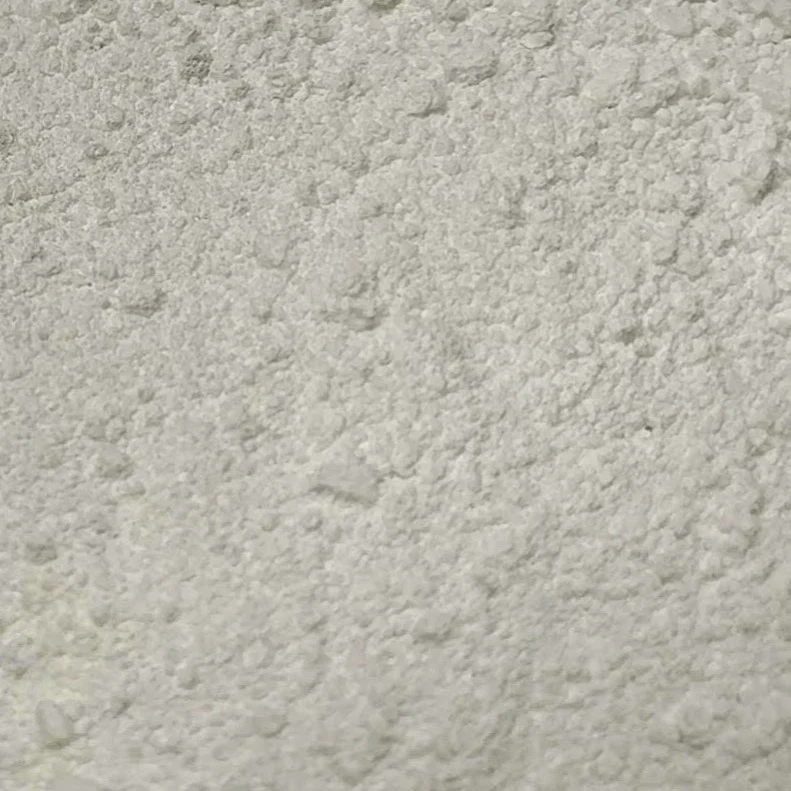
Calcium Chloride
Calcium Chloride is one of the primary components in the measurement of permanent water hardness (also known as non-carbonate hardness).
Proper calcium levels in beer can lower pH, preserve mash enzymes, increase extract yield, improve yeast growth and flocculation, accelerate oxalate removal, and reduce color. The chloride ion is believed to promote a palate fullness, sweetness, or mellowness within the flavor profile of beer.
Useful for adding Calcium if the water is low in chlorides.
Pack Sizes:
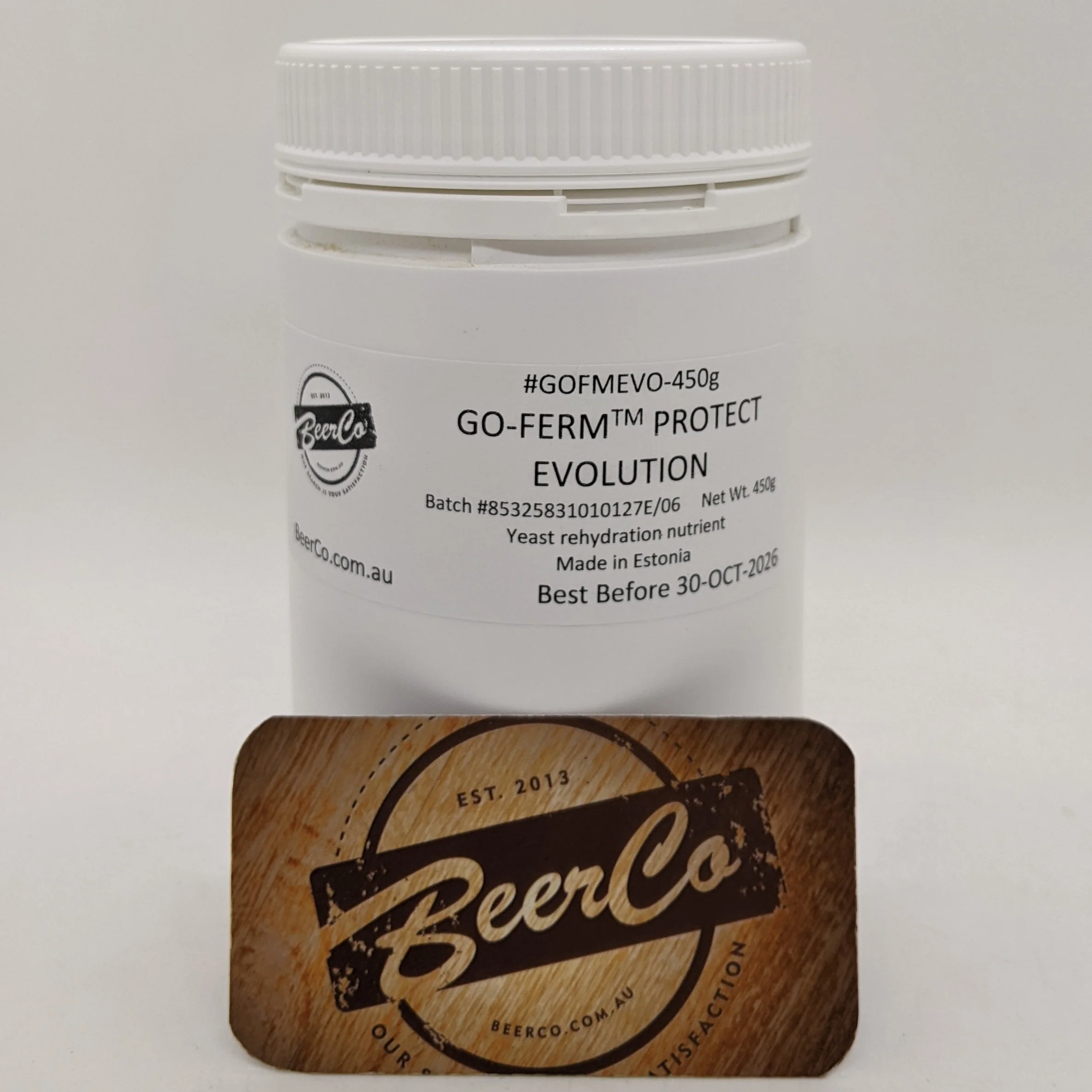
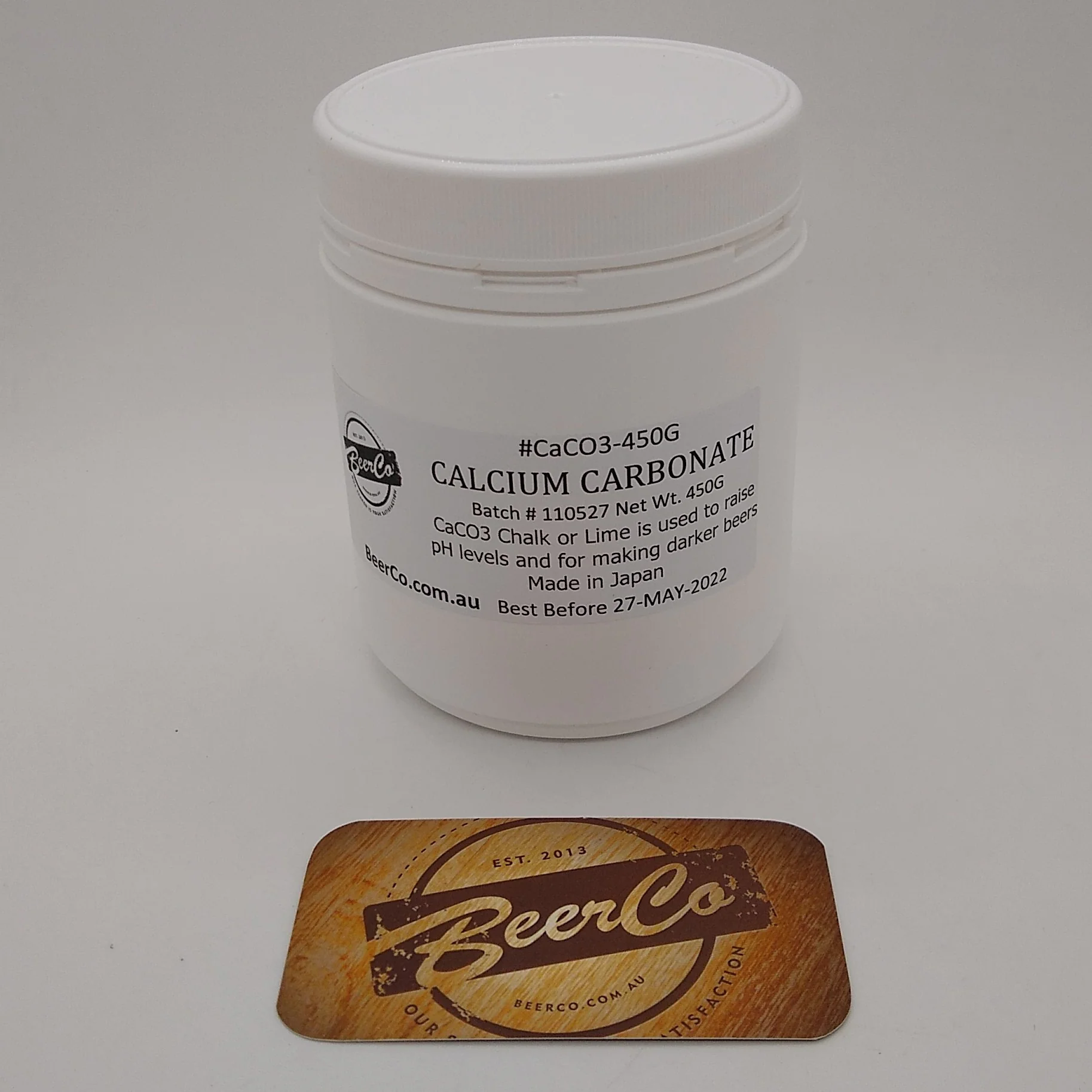
- 450g Plastic Jar
Permanent water hardness is defined by the sum of all calcium and magnesium ions associated with anions such as chloride or sulfate. This part of water hardness is referred to as “permanent” due to the fact that it will not precipitate under the influence of heat. Therefore, calcium chloride is also one of the primary salts used for the boosting of calcium levels in beer.
Most water sources contain some calcium chloride; however, rarely do you find it without other components such as carbonate or sulfate present in significant amounts. Dortmund, Germany, is an example of a water source that has a high calcium chloride content and demonstrates those properties attributable to calcium chloride.
Sauces of Brewspiration & Further Reading & References:
Calcium Chloride is one of the primary components in the measurement of permanent water hardness (also known as non-carbonate hardness). Permanent water hardness is defined by the sum of all calcium and magnesium ions associated with anions such as chloride or sulfate. This part of water hardness is referred to as “permanent” due to the fact that it will not precipitate under the influence of heat. Therefore, calcium chloride is also one of the primary salts used for the boosting of calcium levels in beer.
Proper calcium levels in beer can lower pH, preserve mash enzymes, increase extract yield, improve yeast growth and flocculation, accelerate oxalate removal, and reduce color. The chloride ion is believed to promote a palate fullness, sweetness, or mellowness within the flavor profile of beer. Most water sources contain some calcium chloride; however, rarely do you find it without other components such as carbonate or sulfate present in significant amounts. Dortmund, Germany, is an example of a water source that has a high calcium chloride content and demonstrates those properties attributable to calcium chloride.
Pack Sizes:
- 450 gm Plastic Jar
- 1 Kg Bag (SAVE 47% OFF 450g Price)
- 5 Kg Bag (SAVE 25% OFF 1Kg Price)
- 15 Kg Bag (SAVE 37% OFF 1Kg Price)
Certificate of Analysis:
Further reading and resources:
Haggerty, John Calcium Chloride Craft Beer and Brewing Magazine
Palmer, John How to Brew - Using salts for brewing water adjustment
Original: $2.86
-65%$2.86
$1.00Product Information
Product Information
Shipping & Returns
Shipping & Returns
Description
Calcium Chloride is one of the primary components in the measurement of permanent water hardness (also known as non-carbonate hardness).
Proper calcium levels in beer can lower pH, preserve mash enzymes, increase extract yield, improve yeast growth and flocculation, accelerate oxalate removal, and reduce color. The chloride ion is believed to promote a palate fullness, sweetness, or mellowness within the flavor profile of beer.
Useful for adding Calcium if the water is low in chlorides.
Pack Sizes:
- 450g Plastic Jar
Permanent water hardness is defined by the sum of all calcium and magnesium ions associated with anions such as chloride or sulfate. This part of water hardness is referred to as “permanent” due to the fact that it will not precipitate under the influence of heat. Therefore, calcium chloride is also one of the primary salts used for the boosting of calcium levels in beer.
Most water sources contain some calcium chloride; however, rarely do you find it without other components such as carbonate or sulfate present in significant amounts. Dortmund, Germany, is an example of a water source that has a high calcium chloride content and demonstrates those properties attributable to calcium chloride.
Sauces of Brewspiration & Further Reading & References:
Calcium Chloride is one of the primary components in the measurement of permanent water hardness (also known as non-carbonate hardness). Permanent water hardness is defined by the sum of all calcium and magnesium ions associated with anions such as chloride or sulfate. This part of water hardness is referred to as “permanent” due to the fact that it will not precipitate under the influence of heat. Therefore, calcium chloride is also one of the primary salts used for the boosting of calcium levels in beer.
Proper calcium levels in beer can lower pH, preserve mash enzymes, increase extract yield, improve yeast growth and flocculation, accelerate oxalate removal, and reduce color. The chloride ion is believed to promote a palate fullness, sweetness, or mellowness within the flavor profile of beer. Most water sources contain some calcium chloride; however, rarely do you find it without other components such as carbonate or sulfate present in significant amounts. Dortmund, Germany, is an example of a water source that has a high calcium chloride content and demonstrates those properties attributable to calcium chloride.
Pack Sizes:
- 450 gm Plastic Jar
- 1 Kg Bag (SAVE 47% OFF 450g Price)
- 5 Kg Bag (SAVE 25% OFF 1Kg Price)
- 15 Kg Bag (SAVE 37% OFF 1Kg Price)
Certificate of Analysis:
Further reading and resources:
Haggerty, John Calcium Chloride Craft Beer and Brewing Magazine
Palmer, John How to Brew - Using salts for brewing water adjustment